
Salem Mold Remediation
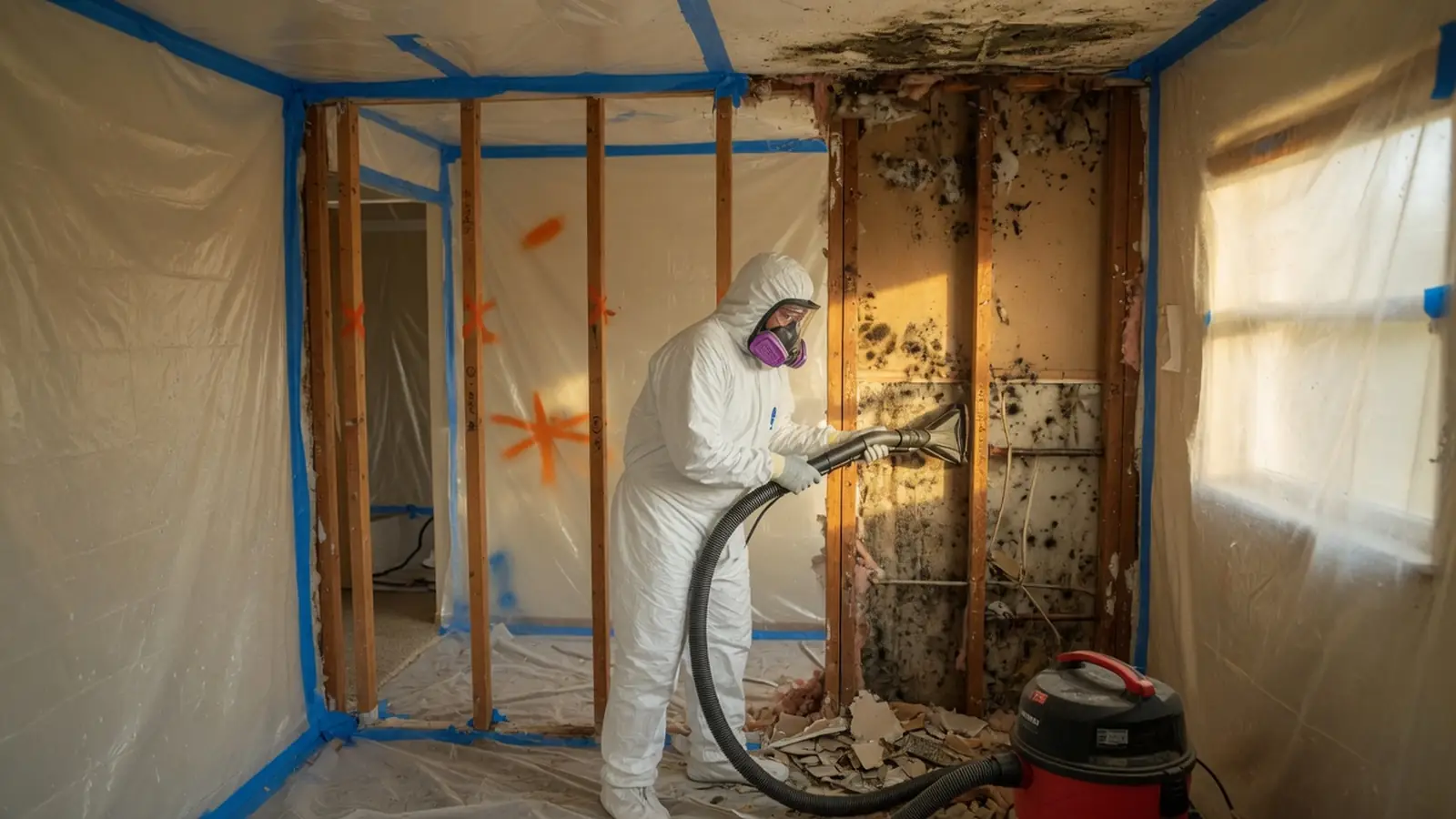
Persistent indoor moisture creates structural rot and hazardous airborne spores when left unchecked in damp subfloors. Our specialized technicians establish negative pressure containment and deploy hospital-grade filtration to eliminate fungal contamination at the root. We restore clean, breathable indoor air while protecting structural framing from recurring decay.
Ring (503) 555-0180 and we'll come take a look.
Prefer to talk? (503) 555-0180
Restoring Healthy Air And Sound Framing
About 22% of housing units in the local area (15,194 of 69,286) were built since 2000, so a substantial share of the local stock is still on its original systems.
Across the valley, mild, overcast winter temperatures combined with indoor heating create optimal relative humidity levels above 60 percent for rapid wood-decay fungus and mold colonization on damp structural framing.
A pattern echoed in public discussions is that homeowners struggle to distinguish whether white crystalline deposits on foundation stem walls are harmless mineral efflorescence or toxic mold requiring professional remediation.
When unexpected plumbing breaks saturate framing, property owners can schedule immediate structural water extraction and moisture mitigation to stop fungal colonies before they spread.
When saturated ground and significant water pressure loss near street curb lines leave property owners uncertain whether repairs fall under municipal or private utility responsibility, our technicians help inspect crawl spaces to verify structural conditions.
Our Containment And Removal Protocol
Due to the stack effect, 40% to 50% of household indoor air is drawn from the crawl space, carrying airborne moisture and mold spores into living areas. Homeowners often describe attic dampness without realizing that excessive crawl space moisture migrates upward through the home and condenses on roof framing above attic insulation, causing secondary attic mold. Property owners confronting standing subfloor dampness can read our guide on resolving crawl space water intrusion before moisture rises into living quarters.
- Subfloor Inspection And Moisture Mapping. Because Oregon building code mandates an 18-inch crawl space clearance, creating tight working confines that complicate moisture inspection and remediation, technicians use specialized compact tools and thermal imaging to map hidden dampness across wood framing.
- Critical Containment And Air Scrubbing. Professional mold remediation isolates contaminated areas using 6-mil polyethylene critical barriers and continuous negative pressure HEPA air filtration to prevent cross-contamination during demolition.
- Source Remediation And Microbial Treatment. Crawl space water causes structural dry rot through elevated relative humidity and vapor migration, even without direct liquid water contact on wood. For properties recovering from sudden inundation, our technicians coordinate with teams providing complete residential flood cleanup and decontamination to sanitize all porous materials.
- Structural Dehumidification And Clearance. High-capacity commercial dehumidifiers extract deeply embedded moisture from floor joists and subflooring until wood moisture levels meet safe structural restoration thresholds.
Zero Cross-Contamination Guarantee
Every project follows strict containment protocols to ensure microscopic spores never escape into living areas during active remediation. We verify that ambient humidity and framing moisture drop below fungal viability thresholds before critical barriers are removed, ensuring durable structural safety without superficial cosmetic cover-ups.
Crawl Space Microbial Remediation
We remove established fungal colonies from damp joists, subflooring, and foundation walls beneath your home. Physical HEPA vacuuming and antimicrobial treatments eliminate surface colonies and neutralize deep mycelial roots.
Attic Mold And Ventilation Correction
Warm, moist air migrating upward condenses on cold roof sheathing, generating widespread fungal blooms above insulation. We safely remediate attic sheathing, treat structural trusses, and ensure moisture paths from below are permanently halted.
Drywall And Framing Decontamination
Hidden plumbing leaks within interior wall cavities foster unseen mold colonies behind baseboards and drywall. Our technicians establish negative-pressure chambers, remove damaged drywall, and sterilize structural framing studs.
Rigorous Standards In Environmental Remediation
Our remediation protocol prioritizes air quality containment, non-destructive moisture diagnostics, and permanent humidity control across regional residential properties.
- 13Zip Codes Served
- 5Service Areas
- 3Services Offered
Homeowners across the region count on our crew for meticulous containment and honest evaluations. Here is what real property owners share about our remediation process.
“When we discovered mold along our basement perimeter, the crew provided an itemized written estimate that detailed every phase of containment and demolition. Their final invoice matched that original quote down to the dollar with zero surprise line items or hidden fees. That level of financial transparency was a huge relief during a stressful home repair.”
Marcus B.
“Every afternoon before packing up, the crew wiped down their containment zones, vacuumed our entryway with HEPA equipment, and hauled all bagged debris straight to their truck. Living in the house during remediation was completely manageable because they never left plastic sheeting fluttering or tools scattered across our hallway. Their nightly housekeeping standards were exceptional.”
Elena R.
“I received text messages with high-resolution photos each morning and afternoon showing the moisture meter readings and framing progress. Never once did I have to chase down a project manager for an update on our crawl space timeline. The team kept us informed at every milestone so we always knew what was happening.”
David K.
“Rather than pushing for expensive full stud replacements, the technician explained how sanding the surface and applying an EPA-registered penetrating antimicrobial sealant would achieve complete fungal clearance while maintaining structural integrity. That candid material guidance saved us thousands of dollars without compromising on indoor air safety. Our latest air quality test came back completely clear.”
Sarah M.
Frequently Asked Questions
Will spraying household bleach eliminate visible black mold growing on porous wood studs or drywall framing?
Spraying household bleach will not eliminate visible black mold on porous wood studs or drywall framing because it cannot penetrate deep roots. Chlorine evaporates quickly on porous substrates while residual water penetrates deeper into the wood grain, feeding hidden fungal hyphae and accelerating regrowth. Effective elimination requires physical containment, mechanical cleaning, and specialized penetrating biocides.
How long does a typical crawl space mold remediation project take?
A professional crawl space mold remediation project typically takes between one and three days depending on moisture levels and workspace access. Setting up negative air barriers and removing contaminated insulation occurs on day one, followed by detailed structural cleaning and controlled dehumidification to ensure framing reaches safe moisture equilibrium.
How much does residential mold remediation cost on average?
Residential mold remediation costs typically range from fifteen hundred to six thousand dollars based on the square footage and structural damage. Minor localized treatments in small wall cavities represent the lower pricing tier, while full crawl space remediation involving heavy HEPA vacuuming, joist abrading, and vapor barrier installation represents the higher tier.
Can indoor mold return after professional remediation is complete?
Mold will not return after professional remediation as long as moisture sources are resolved and relative humidity stays under sixty percent. Fungal spores are present everywhere in ambient air, but they require continuous moisture and organic cellulose to colonize. Fixing foundation seepage, maintaining proper venting, and sealing ground vapor keeps framing permanently protected.
Are containment barriers and negative air machines always necessary?
Containment barriers and negative air machines are always necessary to stop disturbed fungal spores from entering clean living quarters. Agitating contaminated framing or tearing out moldy drywall releases millions of microscopic spores into the air. Continuous negative pressure with HEPA filtration exhausts airborne particulates safely outside, preventing cross-contamination throughout the property.